The Domain Name System (DNS) is one of the most important services that allows the internet to function as we know it today. Without DNS, users would be required to memorize long numerical IP addresses instead of using easy-to-remember domain names such as google.com or amazon.com.
For the CompTIA A+ Core 1 (220-1201) exam, students are expected to understand what DNS is, why it exists, and how different DNS record types support website access, email delivery, and email security. This article introduces DNS from the ground up and then builds into the specific record types tested on the exam.
What Is DNS?
DNS acts as the internet’s phone book. Humans prefer names, while computers communicate using numbers. DNS bridges this gap by translating domain names into IP addresses so devices can locate servers across the network.
When a user enters a website address into a browser or sends an email, DNS is automatically queried in the background. The user never sees this process, but it is essential for nearly every internet-based service.
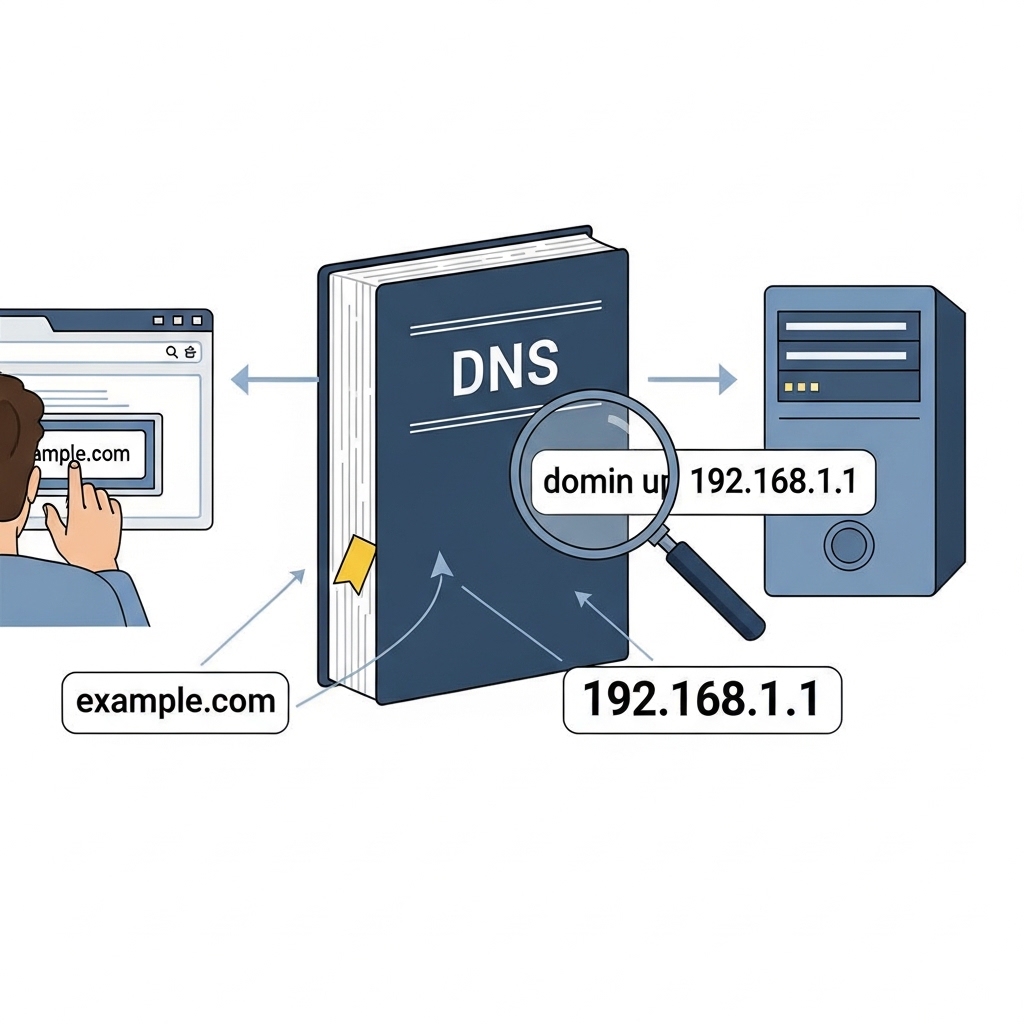
Without DNS:
- Websites could not be accessed by name
- Email would not know where to be delivered
- Online services would fail to connect properly
What Are DNS Records?
A DNS record is an individual piece of information stored on a DNS server. Each record tells the internet something specific about a domain.
Think of DNS as a filing cabinet and records as individual files inside that cabinet.